


Florida’s warm, humid climate creates the perfect conditions for termite activity all year long. While homeowners up north get a winter break from these pests, Florida termites don’t believe in vacation days. They’re working overtime, 365 days a year, turning your investment into sawdust. The humidity levels in Florida often hover between 60-90% and this creates moisture that attracts termites like moths to a flame. Or more accurately, like termites to your expensive hardwood floors.
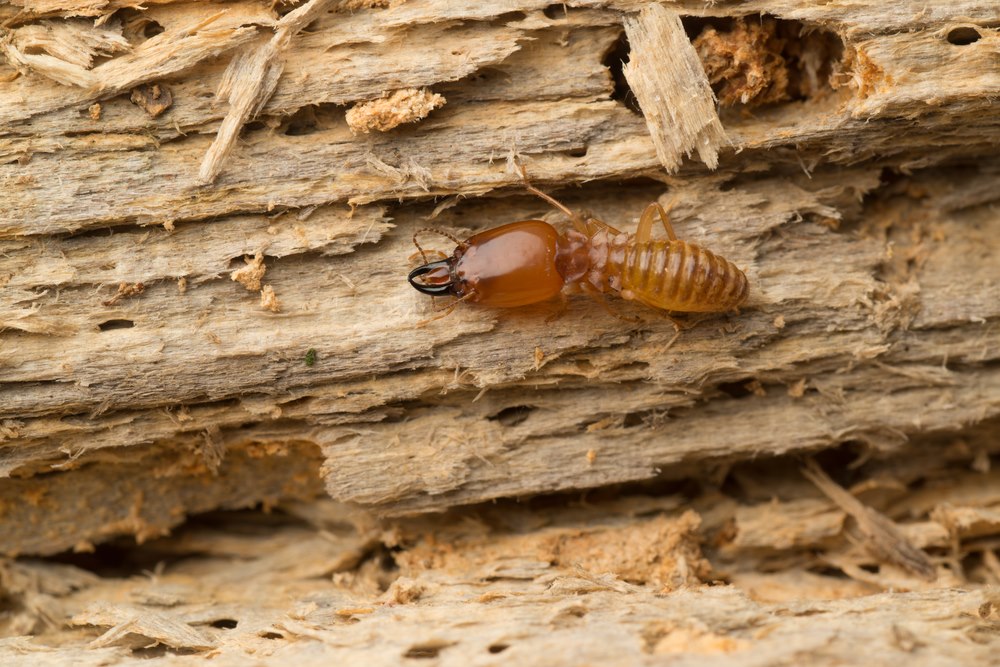
Florida is home to several termite species, but the real troublemakers are subterranean termites, drywood termites and particularly aggressive Formosan termites. Subterranean termites are the most common culprits, building their colonies underground and creating mud tubes to access the wood in your home. Drywood termites, on the other hand, are the freeloaders who move right into your wooden structures without needing soil contact. They’re basically the roommates who never leave.
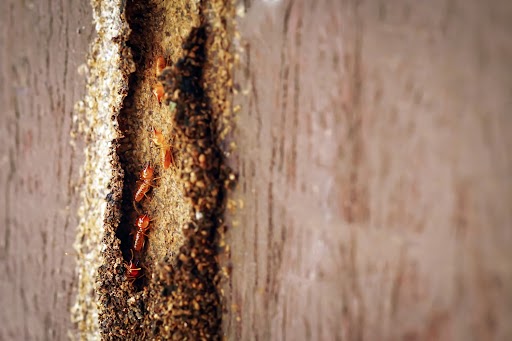
Here’s the thing about termite damage: your homeowner’s insurance probably won’t cover it. That’s right! Insurance companies consider termite damage preventable, which means you’re footing the bill. The average termite damage repair in Florida costs homeowners around $3,000, but severe infestations can run into tens of thousands of dollars.
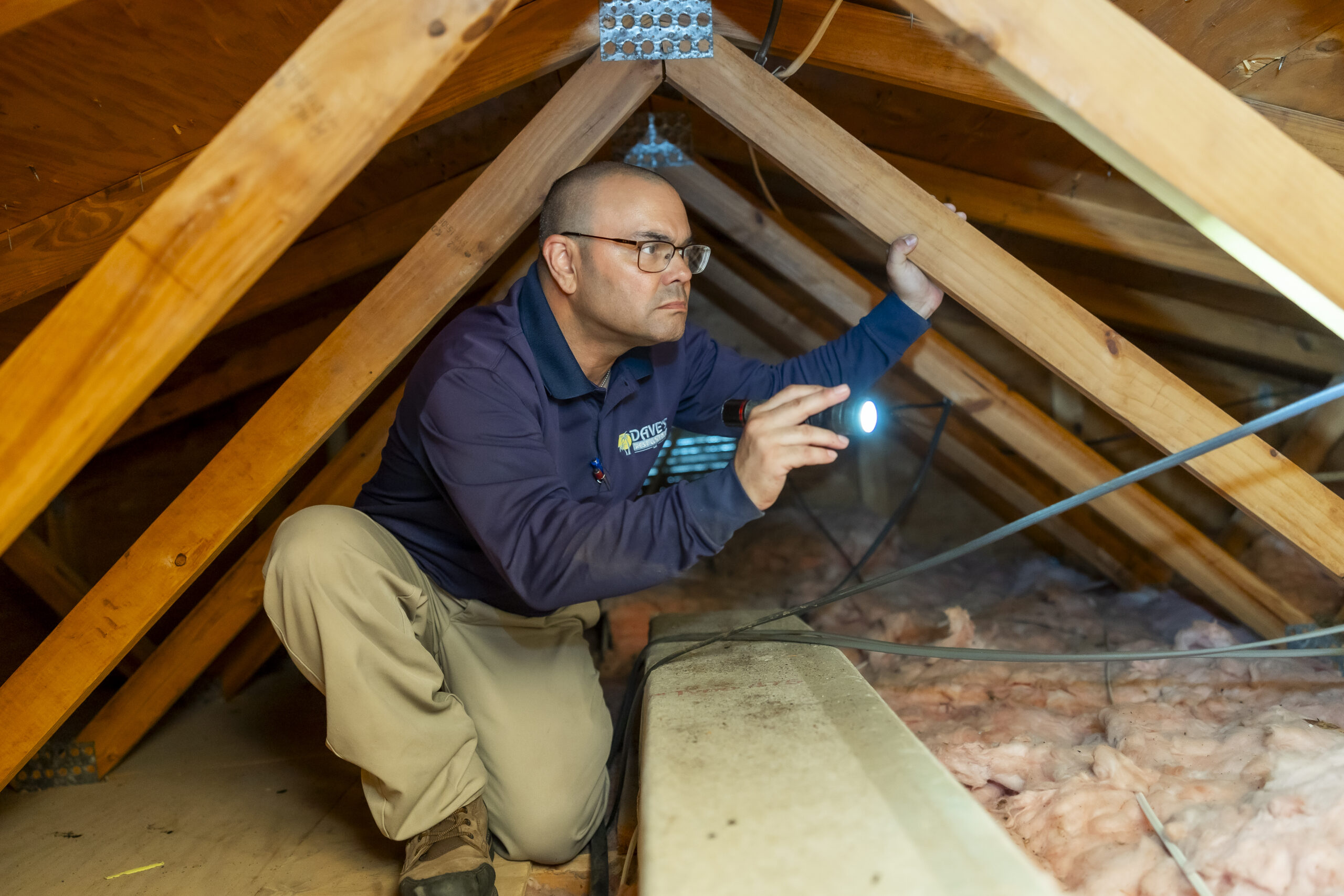
Regular termite inspections are your first line of defense. Pest control experts recommend annual inspections for Florida homeowners, though some high-risk areas might benefit from semi-annual checks. Professional pest control companies use specialized equipment and trained eyes to spot termite activity that you’d likely miss during your weekend DIY inspection.
A professional termite inspection typically includes examining your home’s foundation, crawl spaces, attic, wooden structures, and surrounding landscape. Inspectors look for active infestations, conducive conditions, and previous termite damage. Think of it as a wellness check for your home, catching problems early means easier, cheaper solutions.
While professional help is crucial, there are steps Florida homeowners can take to make their properties less appealing to termites:
Control Moisture
Fix leaky pipes, ensure proper drainage, and use dehumidifiers in damp areas. Termites need moisture to survive, so eliminating excess water makes your home less attractive.
Remove Wood-to-Ground Contact
Keep firewood, lumber, and mulch away from your foundation. That decorative wood pile against your house? It’s basically a termite welcome mat.
Seal Entry Points
Caulk cracks in your foundation and around utility lines. Even tiny gaps can be termite entryways.
Maintain Your Landscape
Trim vegetation away from your home’s exterior and ensure proper ventilation in crawl spaces and attics.
Regular Maintenance
Address any wood damage promptly and keep gutters clean to prevent water accumulation.
At Dave’s Pest Control, our licensed professionals visit your property to thoroughly inspect the area and strategically place Sentricon stations where termites are most active. With years of experience in Florida’s environment and termite behavior, our team installs the system at the right time and in the right places to achieve the best results. Our installed Sentricon system keeps your family and pets safe!
Our job doesn’t stop after installation. We return quarterly to check the bait stations, measure their effectiveness and refill them as needed. You can count on us for the safe, professional installation and long-term protection of your home, family & pets!