Cleaning is done every day a week, dishes are done twice or thrice a day, laundry is due at the end of the week. But pest control? How often should pest control be done in Florida homes? That’s the question that every Floridian asks their neighbor or – to themselves too!
We are a pest control company and have been serving Florida homes & businesses for over 45 years. These long years of service plus living and growing in the same community have given us a strong grip on pest issues and how they could be tackled. So, what we will advise here will come entirely from years of expertise and local knowledge. As a pest control company or even if we think as a concerned homeowner, how often should pest control be done in Florida homes? Let’s get right into it:
Why Regular Pest Control Is Important for Florida Homes
Florida is basically Disneyland for bugs. While the rest of the country gets a nice winter break from creepy crawlies, we’re over here dealing with them almost every day of the year. No snow days for roaches, folks!
Florida’s warm, humid climate doesn’t just attract retirees and spring breakers. It’s a five-star resort for pests. We’re talking about an environment where bugs don’t hibernate, they celebrate. They come in hundreds, if not thousands, hide in places we can’t even fathom, and multiply in the blink of an eye. You’ll go mad seeing how fast they are and how quickly they take ownership of wherever they live.
The Necessity of Pest Control in Florida
Regular pest control isn’t just about keeping your home comfortable – it’s about protecting your investment. Termites alone cause billions in property damage each year and Florida leads the charge. One missed pest control treatment could mean thousands of repairs. Plus, let’s talk about health: mosquitoes carry diseases, rodents contaminate food and roaches trigger allergies and asthma. All these factors make regular pest control a big necessity in Florida.
Regular pest control is like changing car’s oil. Sure, you could skip it but eventually, you’ll pay the price and trust me, that price tag is way higher than preventive maintenance. In Florida, consistent pest control isn’t a luxury – it’s essential home maintenance, right up there with AC service and hurricane shutters.
How Often Should Pest Control Be Scheduled in Florida?
Alright, here’s where the rubber meets the road (or where the bug spray meets the baseboard). The frequency of pest control treatments depends on your specific situation, but let me break down the most common schedules we recommend, as a pest control company:
Monthly Pest Control Treatments
Monthly pest control is like having a personal bodyguard for your home – constant protection, but it comes at a premium price. Who needs it? Well, homes with active infestations, properties near water or heavily wooded areas and folks who want maximum mosquito control during Florida’s swampy summer months. If you’ve got a serious bug problem or you’re hosting outdoor events regularly, monthly service keeps mosquitoes and their bites away from you.
A monthly pest control can get the most frequent professional attention, rapid response to new pest activity and treatments are refreshed before they break down in Florida’s harsh sun and rain. Now let’s talk about the downside of it -monthly service can get expensive over time. Most professional-grade pest control products are designed to last 60-90 days, so monthly applications might be overkill for many homes. Plus, there’s a concern about pests developing resistance when exposed to the same products too frequently. It’s like watching the same movie every week – eventually, you know all the plot twists.
Quarterly Pest Control Plans
Welcome to the sweet spot! Quarterly pest control (every 90 days) is the industry standard in Florida and for good reason! Professional pest control products are formulated to provide protection for about 90 days. In Florida’s intense sun and heavy rainfall, exterior barriers naturally break down around this timeframe. Quarterly service means your technician refreshes your home’s defenses right before they expire – no gaps in coverage. Many homeowners prefer quarterly pest control plans as they are cost-effective, provide consistent protection, and prevents infestations before they start. Most pest control companies (including us!) offer free re-service between quarterly visits if you spot any pest activity. So you’re covered even if something sneaks through.
About 90% of Florida homeowners choose this service. If you don’t have an active infestation and your property isn’t in an extreme pest-pressure zone, quarterly service keeps your home protected without breaking the bank. (Think of it this way: quarterly pest control is like getting your teeth cleaned every six months – it’s the preventive schedule that keeps problems from developing in the first place.)
One-Time Pest Control Treatments
Ah, the “I’ll just handle this once and be done” approach. I hate to break it to you but in Florida, this is like bailing out a boat with a hole in it. You might get temporary relief, but you’re not fixing the problem. The only time when one-time treatments make sense is perhaps when you are preparing a home for sale, treating a specific isolated issue (like a wasp nest), or handling a pest emergency before starting a regular service plan.
Florida’s climate means pests are active 365 days a year. A one-time treatment might knock out the bugs you see today, but their cousins are already planning the family reunion at your place next month. Without follow-up treatments, you’re basically inviting pests back for round two.
Our honest advice: If you’re considering one-time treatment, think of it as the first step in a regular pest control program, not a standalone solution. It’s like going to the gym once and expecting six-pack abs – nice try, but that’s not how this works!
Common Florida Pests That Require Regular Treatment
Let me introduce you to Florida’s famous pest lineup – the ones that keep us in business & homeowners on their toes:
Ants and Roaches
These are the bread and butter of Florida pest problems. And by bread and butter, I mean they’ll eat your actual bread and butter if you leave it out. Florida has over 20 species of ants, and they’re all looking for free food & water. Fire ants build mounds in your yard that look innocent until you accidentally step on one. Then it’s like you’ve declared war. Ghost ants invade kitchens in massive numbers and carpenter ants damage wood almost as much as termites do. On the other hand, American cockroaches can fly (nightmare fuel), German cockroaches breed like crazy indoors, and all of them spread bacteria and trigger allergies.
This is where regular treatment matters: both ants and roaches reproduce rapidly. One roach can lead to thousands in months. Regular treatments disrupt their breeding cycles and keep populations from exploding. Miss treatment, and you’re playing catch-up with an exponentially growing problem!
Termites in Florida Homes
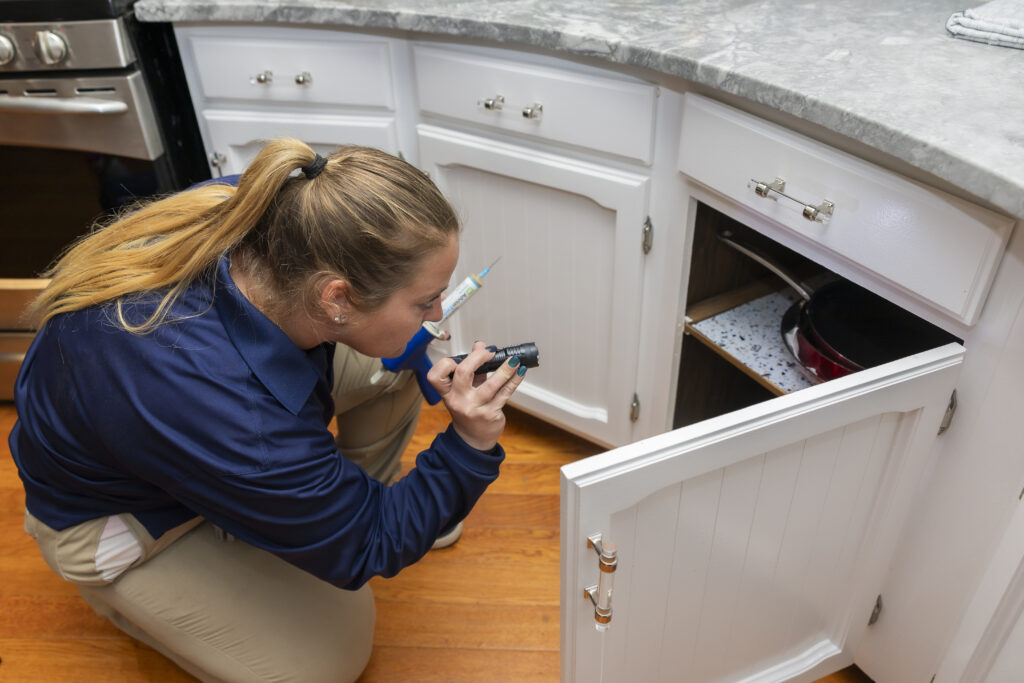
If pests had a Hall of Fame for property damage, termites would be first-ballot inductees! These silent destroyers cause over $5 billion in damage annually in the U.S., and Florida is prime termite territory. In Florida, we have subterranean termites (they live underground and build mud tubes to your home) and drywood termites (they live directly in the wood they’re eating). Both are bad news. Subterranean termites swarm in spring, while drywood termites can swarm all year in Florida. The factor that makes termites most dangerous is how they work 24/7, eating the structural wood in your home. They can cause thousands of dollars of damage before you even know they’re there. By the time you see signs (mud tubes, hollow-sounding wood, or discarded wings) they’ve already been dining on your home for months.
Termite protection is different from general pest control. Most homes need annual termite inspections at minimum, with liquid barrier treatments lasting 5-10 years or bait station monitoring checked quarterly. This isn’t optional in Florida – it’s essential home protection!
Mosquitoes and Outdoor Pests
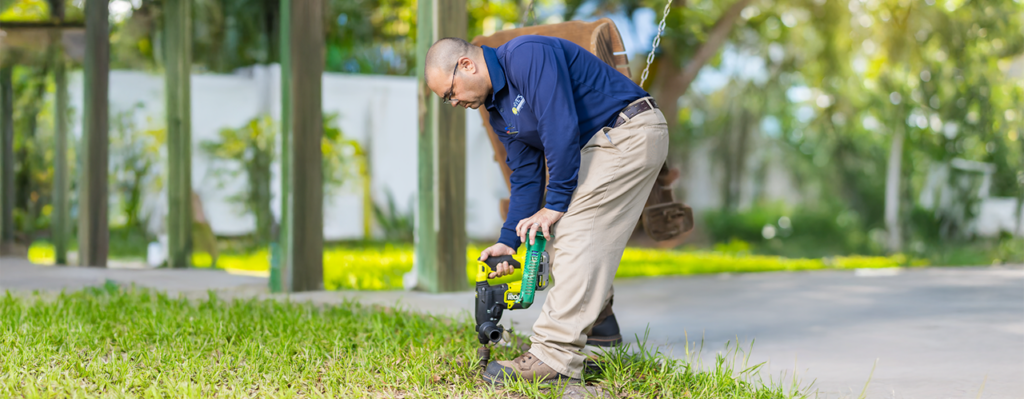
Florida’s state bird should probably be the mosquito. (Okay, it’s actually the mockingbird, but mosquitoes are in the running.) Mosquitoes breed in standing water, and Florida has plenty of that. A bottle cap of water can breed hundreds of mosquitoes. They’re not just annoying – they carry diseases like West Nile virus, Zika, and dengue fever. Mosquito control solutions require monthly sessions during peak season (basically March through November in Florida, though they never fully disappear). Treatments break down quickly in rain and humidity, so consistent reapplication is crucial for outdoor comfort.
Rodents and Seasonal Pests
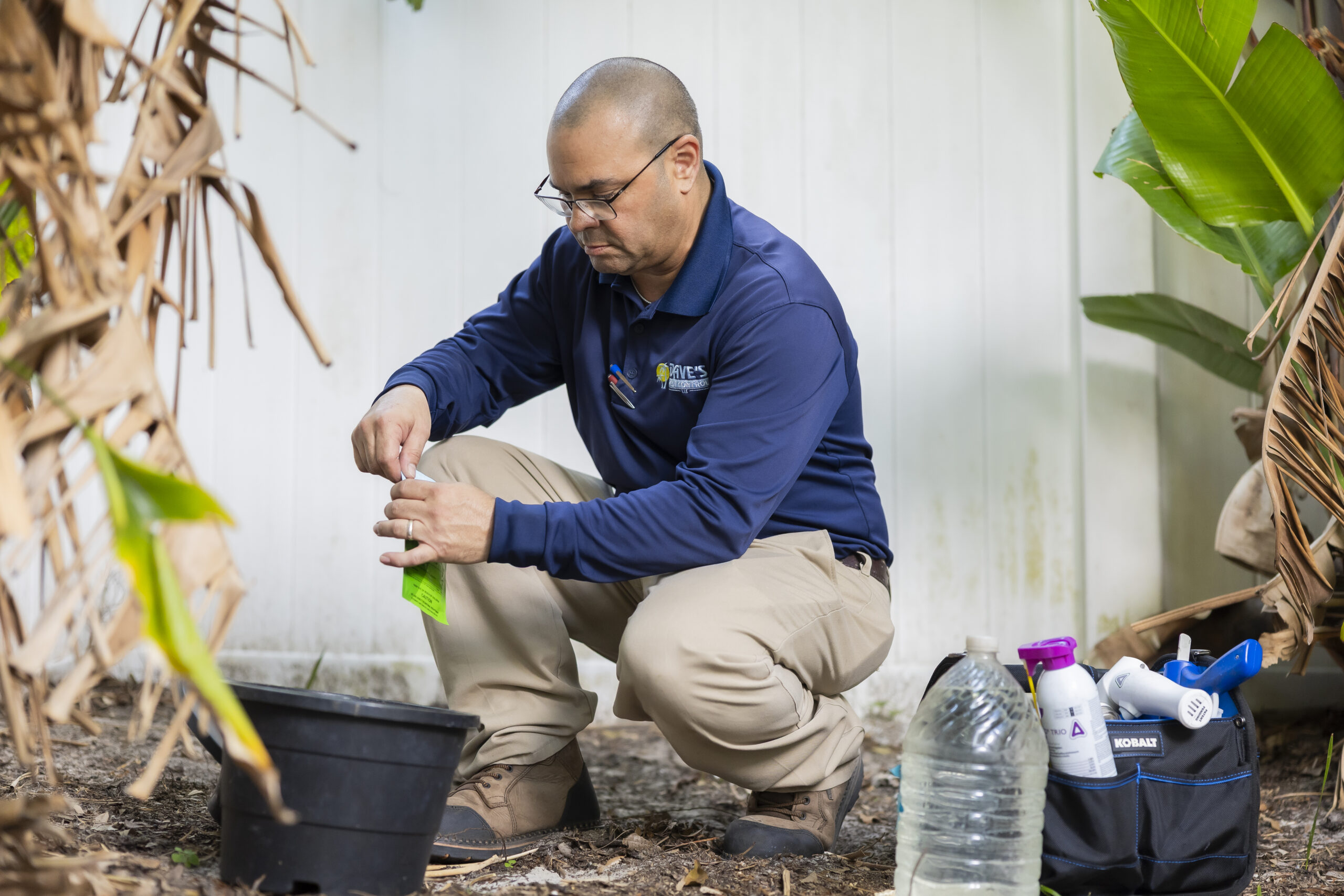
Florida has lots of rats and mice – and by “lots,” I mean more than any homeowner would ever want to deal with! While rodents are active all year, we see increased activity in fall and winter when they seek warm shelter. They also move indoors during heavy rain periods, and while they look for shelter, they leave no corner of the home untouched. Rodents chew through wires, contaminate food with droppings, and reproduce incredibly fast. One pair of mice can produce 60+ offspring in a year. They’re also surprisingly good climbers – roof rats in Florida are named that for a reason.
Rodent control combines exclusion (sealing entry points), trapping, and monitoring. Regular pest control visits help identify rodent activity early before it becomes a full-blown infestation.
Signs Your Florida Home Needs Pest Control Sooner
1. Droppings or Pest Activity
Finding pest droppings is like finding a “We Were Here” note and trust me, they’re not leaving anytime soon without professional help. What to look for:
- Rodent droppings are small, dark pellets near food sources, in cabinets, or along walls. Fresh rodent droppings are dark and moist; old ones are gray and crumbly.
- Roach droppings look like black pepper or coffee grounds in corners, under sinks, and behind appliances.
- Termite frass looks like tiny wood-colored pellets or sawdust piles near wooden structures.
Some pest infestations have distinctive odors. A heavy roach infestation smells musty and oily. Rodent infestations smell like ammonia from urine. If your home smells “off” and you can’t identify the source, pests might be the culprit.
2. Damage to Wood, Wires, or Food
Pests are destructive houseguests who don’t respect your property. Here’s what to watch for:
- Hollow-sounding wood when you tap it (termites have eaten the inside)
- Mud tubes running up foundation walls (subterranean termite highways)
- Small holes in wood with sawdust piles underneath (drywood termites or carpenter ants)
- Sagging floors or doors that suddenly don’t close properly (structural damage from termites)
- Chewed wires. Rodents love chewing wires – it’s like a fidget spinner for them, except it can burn your house down. Flickering lights, outlets that don’t work, or exposed wires in your attic or walls are serious warning signs.
- Chewed food packages, holes in boxes, or scattered food debris means rodents or pantry pests have been living inside your kitchen.
3. Increased Pest Sightings Indoors
One bug is an accident. Two bugs can be a coincidence. But three or more…? That’s an infestation! Most pests are nocturnal, so if you’re spotting roaches, rodents, or other critters during the day, it means their population is outgrowing hiding spots – a major red flag. Other signs include seeing multiple species of pests or finding them in unusual places: roaches in the bedroom, ants in the bathroom, rodents in living areas. This unusual activity indicates they’re not just visiting, they’ve moved in. If you notice a spike in activity between treatments, don’t wait. That’s exactly what re-service guarantees are for!
Factors That Affect How Often You Need Pest Control in Florida
Not all Florida homes are created equal when it comes to pest pressure. Here’s what makes some properties pest magnets while others cruise along with minimal issues:
Florida’s Warm and Humid Climate
Unlike northern states, where winter kills off pest populations, Florida’s mild winters mean pests breed continuously. There’s no “off-season” for bugs here. While your cousin in Minnesota gets a pest-free winter, you’re dealing with roaches in December. South Florida’s tropical climate means even more intense pest pressure than North Florida. Miami-Dade and Broward counties deal with pests year-round at maximum intensity, while Panhandle residents get a slight winter reprieve.
Location Near Water or Woods
Where you live dramatically affects your pest control needs. Location, location, location – it’s not just for real estate values! If your home is near lakes, ponds, canals, or the coast, you’re in prime mosquito territory. Standing water breeds mosquitoes, and waterfront homes often need monthly mosquito treatments instead of quarterly. You’ll also see more aquatic roaches, water bugs and occasional water snakes. In addition, trees and natural vegetation are beautiful, but they’re also pest highways. Homes backing up to woods or nature preserves see more:
- Termites (dead trees and stumps are termite condos)
- Ants (they nest in rotting wood and leaf litter)
- Rodents (woods provide food and shelter)
- Wildlife (raccoons, opossums, armadillo – not technically pests, but they can cause damage)
- Spiders (following the insects that live in vegetation)
New Construction Areas
Ironically, brand-new developments can have worse pest problems initially. Construction disturbs pest habitats, sending displaced bugs and rodents into nearby homes. Plus, construction debris and disturbed soil attract termites.
Your Neighbors Matter
If your neighbor doesn’t maintain their property or has pest issues, those pests will eventually visit you. Pests don’t respect property lines. One infested home can affect the entire block.
Professional Pest Control vs DIY in Florida
Ah, the age-old question: “Can I just spray some bug spray from the hardware store and call it a day?” Let me give you the professional perspective (spoiler alert: I’m biased, but I’m also right). I get the DIY appeal. Store-bought sprays are cheap, available, and give you that satisfying feeling of taking immediate action. But why:
Why DIY falls short in Florida: Wrong products. Consumer-grade pesticides are significantly weaker than professional products. They might kill the bugs you see but don’t provide lasting protection or reach hidden populations. The other factor is wrong implementation. Too much in the wrong places, not enough in the right places. You might even make things worse by causing pests to scatter and spread throughout your home. That spray you bought kills on contact but breaks down in hours or days. Professional treatments provide 60-90 days of protection. Different pests require different treatments. The spray that works on ants might be useless against roaches. Professionals know which products work for which pests. DIY might work in Minnesota where winter gives you a break. In Florida it would be like you’re bringing a water pistol to a firefight.
When DIY makes sense:
- Spot-treating individual pests between professional visits
- Maintaining cleanliness and reducing attractions
- Minor issues like fruit flies or occasional ants (though if they persist, call us)
- Supplementing professional service with monitoring and prevention
Professional advantages:
- Expertise: We know Florida pests intimately – their behaviors, breeding cycles, and vulnerabilities
- Better products: Professional-grade materials that last longer and work better
- Comprehensive approach: We treat inside, outside, and target specific pest harborage areas
- Integrated Pest Management (IPM): Combining treatments with exclusion, sanitation recommendations, and monitoring
- Warranty and follow-up: If pests return between treatments, we come back at no charge
- Time savings: You’ve got better things to do than fight bugs every weekend
- Long-term cost savings: Preventing infestations is cheaper than treating them. Professional service prevents the expensive problems DIY misses.
Some homeowners successfully supplement professional service with DIY maintenance. But trying to replace professional pest control with DIY in Florida is like trying to cut your own hair – sure, you can do it, but the results usually prove you should’ve called a professional.
Our recommendation: Invest in quarterly professional service as your foundation, then use DIY methods for maintenance between visits. Clean regularly, fix moisture issues, seal entry points, and spot-treat individual pests as needed. Think of it as a partnership – we provide the heavy artillery; you maintain the defenses.
Best Pest Control Schedule for Florida Homeowners
Alright, let’s bring it all together. After 45 years of protecting Florida homes, here’s the professional recommendation for the best pest control schedule to keep your home protected year-round.
The Gold Standard: Quarterly Service (Every 90 Days)
For most Florida homeowners, quarterly pest control is a sweet spot. It balances effectiveness, convenience and cost, while keeping pest populations under control throughout the year. Here’s what a typical pest control year should look like:
Spring (March – May)
Spring is when many pests begin becoming active again.
- Focus on termite activity during swarming season
- Treat for increasing ant and cockroach populations
- Begin mosquito prevention as temperatures rise
- Inspect for winter damage and new entry points
Summer (June – August)
Summer is peak pest season in Florida due to heat, humidity, and rain.
- Apply heavy exterior treatments for increased pest pressure
- Mosquito control becomes critical during warm months
- Watch for cockroach activity as they seek AC and water sources
- Monitor for rodent activity during the rainy season
Fall (September – November)
Fall is a transition period when many pests begin looking for shelter.
- Prepare for rodent season as weather patterns shift
- Continue mosquito treatments (they remain active in Florida)
- Treat for love bugs and other seasonal invaders
- Inspect for hurricane or storm damage that may create entry points
Winter (December – February)
Unlike colder states, pests in Florida don’t truly hibernate.
- Maintain all year long protection
- Focus more on indoor treatments as pests seek warmth
- Prepare for the upcoming spring termite season
- Schedule an annual termite inspection
Add-Ons for Specific Situations
Some homes need additional treatments depending on location, environment, or pest pressure.
Monthly Mosquito Treatments (Recommended If You)
- Live near water, lakes, or wooded areas
- Have a pool or water features
- Spend a lot of time in outdoor living spaces
- Frequently host outdoor gatherings
- Have young children or elderly family members
Monthly General Pest Control (Recommended If You)
- Have an active infestation requiring aggressive treatment
- Live in a high pest-pressure area
- Experience recurring pest problems despite quarterly service
- Own a rental property or vacation home that needs maximum protection
Annual Termite Inspections (For Every Florida Home)
This step is non-negotiable in Florida.
- Detect termite activity before major structural damage occurs
- Often required for home insurance or real estate transactions
- Can be bundled with quarterly pest control service
The Budget-Conscious Approach
If you’re trying to save money but still protect your home, here’s the minimum plan professionals recommend:
- Quarterly general pest control
- Annual termite inspection
- DIY mosquito prevention (eliminate standing water, use repellents)
- Immediate treatment if you notice signs of an infestation
The Premium Protection Plan
For homeowners who want maximum protection and peace of mind, a full-coverage plan may include:
- Monthly general pest control
- Monthly mosquito treatments during warm months
- Quarterly termite monitoring with bait stations
- Annual termite inspection
- Rodent monitoring and exclusion work
- Free re-service between scheduled visits
Keep Your Florida Home Safe with Dave’s Pest Control
Look, we’ve covered a lot of ground here. If you’ve made it this far, you’re either really interested in pest control or you’re procrastinating on something else. Either way, welcome!
Here’s the bottom line: Florida is an amazing place to live. Beautiful weather, gorgeous beaches, no state income tax, what’s not to love? Oh right, the bugs. But that’s where we come in!
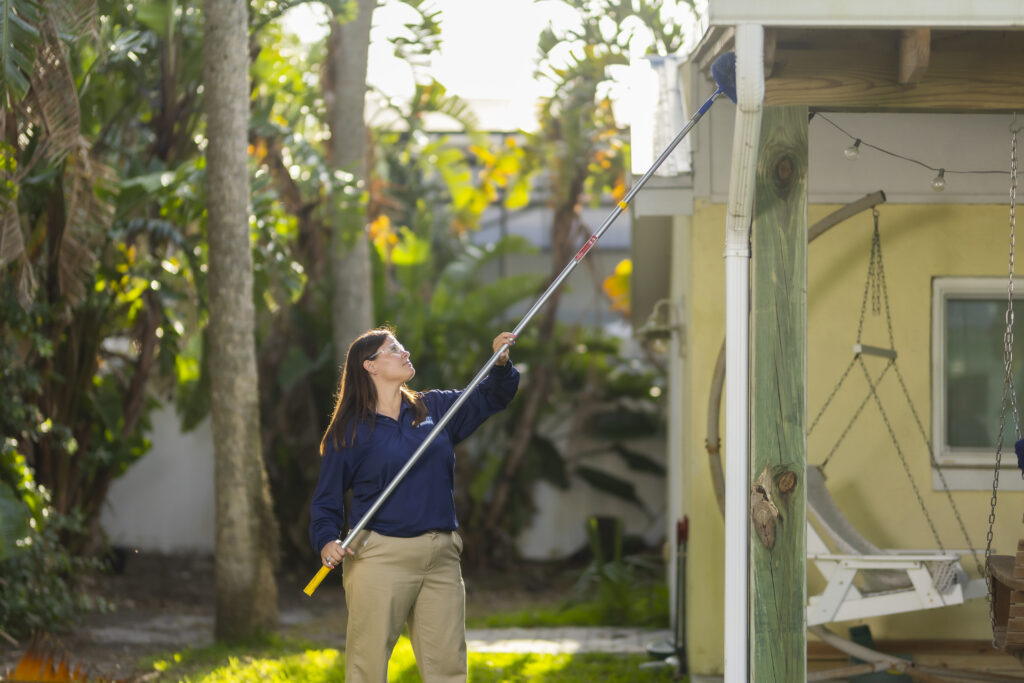
Why choose Dave’s Pest Control?
45 years of local expertise! We’re not some national chain that treats Florida homes the same as Minnesota homes. We’ve been protecting Florida properties since before “Florida Man” was a meme. We know these pests personally (not in a weird way), and we know exactly how to keep them out of your home. We’re your neighbors: We live here, work here, and raise our families here. When we protect your home, we protect our community. Your pest problems are our pest problems, and we take that seriously!
We don’t just spray and pray. Our service includes:
- Thorough interior and exterior treatments
- Identification and treatment of pest harborage areas
- Entry point identification and exclusion recommendations
- Customized treatment plans for your specific property
- Free re-service between scheduled visits
- Detailed service reports so you know exactly what we did
- Flexible scheduling, whatever time works best for both of us
- Family and pet-safe treatments – we use professional-grade products that are tough on pests but safe for your loved ones when applied correctly. Your family’s safety is our top priority.
- If pests return between treatments, so do we – at no additional charge. We stand behind our work because we’re confident in our results.

Protect Your Florida Home with Dave’s Pest Control
Give us a call today for a free inspection and customized quote. We’ll assess your property, identify current and potential pest issues, and recommend the right treatment schedule for your needs and budget!
Remember: In Florida, pest control isn’t a luxury – it’s essential home maintenance. Just like you wouldn’t skip AC service in our climate, don’t skip pest control. Your home is your biggest investment. Protect it.
Let Dave’s Pest Control be your partner in keeping your Florida home pest-free, comfortable, and safe. Because after 45 years, we’ve learned one thing for sure: life’s too short to share your home with bugs.
Contact Dave’s Pest Control today – because your home should be your sanctuary, not a pest sanctuary!