

How often do we wonder if that small bite on our arm came from a mosquito or something more sinister lurking in our bedding? For Florida families, bed bugs represent a concern that transcends socioeconomic boundaries. These parasitic insects infest luxury hotels, budget motels, single-family homes and apartment complexes with equal opportunity. Understanding the facts about bed bug prevention, identification, and removal can save families thousands of dollars and countless sleepless nights. So, let’s get ourselves educated on the Bed Bug Prevention and Treatment Guide for Florida Families.
Understanding the Bed Bug Problem in Florida
Florida’s warm climate and high tourism traffic create ideal conditions for bed bug infestations. The state consistently ranks among the top 10 for bed bug activity in the United States. Miami, Tampa, and Orlando see particularly high incidence rates due to international travel hubs and dense population centers.
Bed bugs (Cimex lectularius) are small, reddish-brown insects approximately 4-5mm in length and roughly the size of an apple seed. They feed exclusively on blood and can survive 6-12 months without a meal under optimal conditions. A single fertilized female can produce 200-500 eggs during her lifetime, which explains how quickly a minor problem escalates into a full-blown infestation.
Bed Bug Signs: Early Detection Saves Money
Identifying early bed bug infestation significantly reduces treatment costs and complexity. Professional exterminators report that catching bed bugs within the first 2-3 weeks of introduction can reduce treatment costs by 60-70% compared to established infestations.
Visual Bed Bug Signs
The most reliable bed bug signs include:
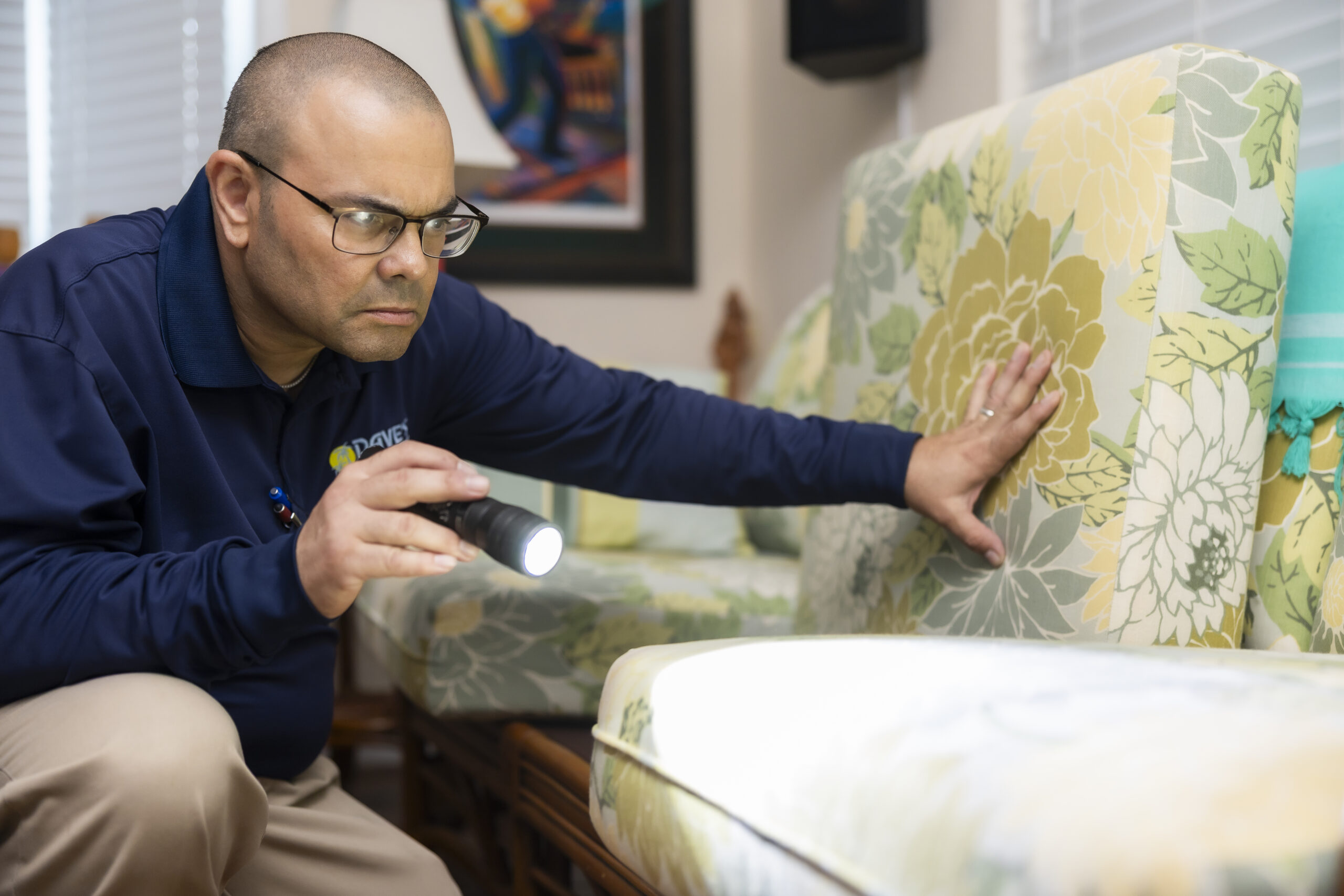
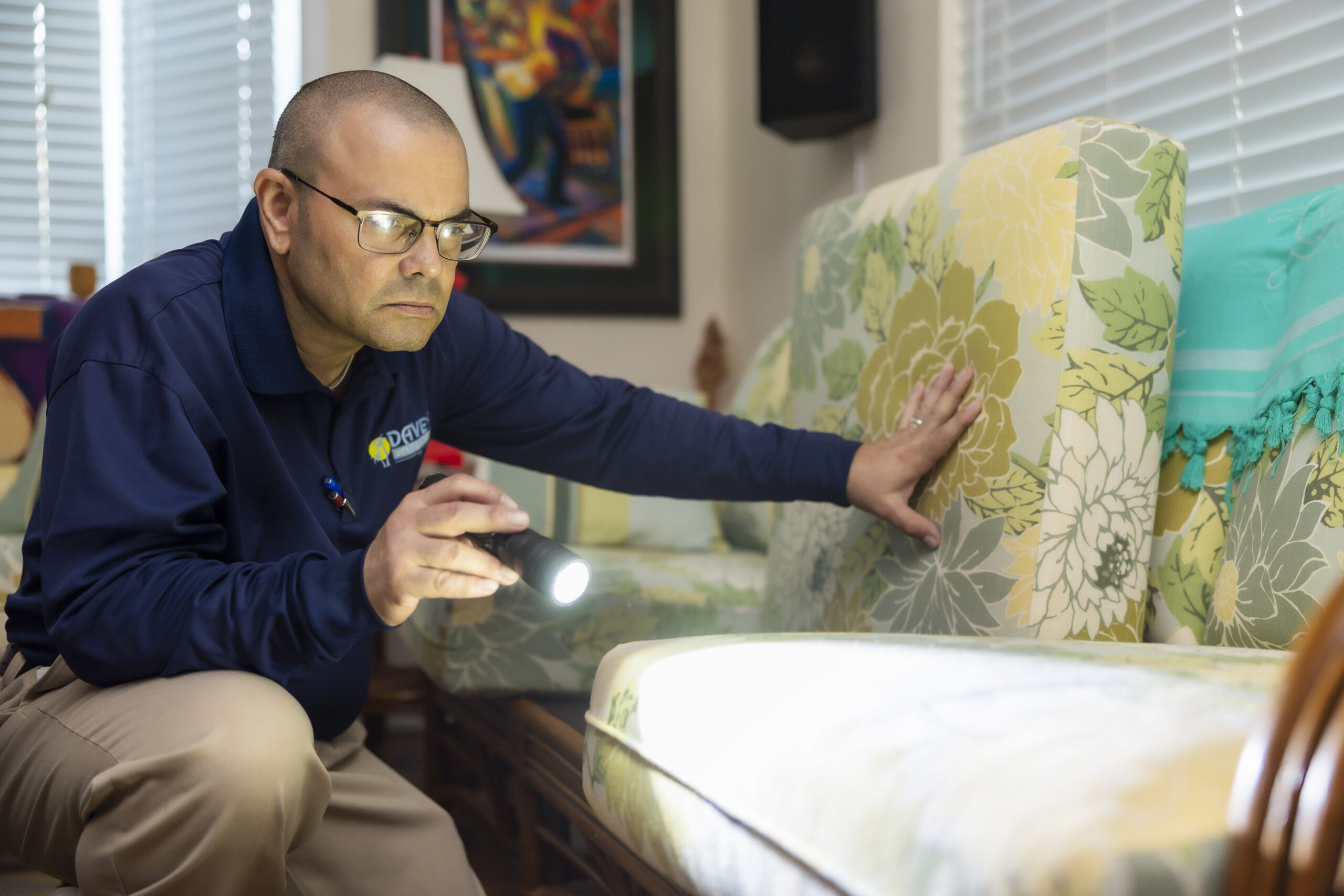
Live bugs: Adult bed bugs are visible to the naked eye, though they hide during daylight hours. Check mattress seams, box springs, bed frames, and headboards during nighttime inspections using a flashlight.
Fecal stains: Dark brown or black spots on bedding, mattresses, or nearby walls indicate digested blood. These stains typically appear in clusters near hiding spots and will bleed slightly when touched with a damp cloth.
Shed skins: Bed bugs molt five times before reaching adulthood, leaving behind translucent exoskeletons near harborage areas.
Blood smears: Small reddish stains on sheets occur when bed bugs are crushed during sleep or when bite wounds continue bleeding.
Eggs and egg casings: Tiny white eggs droppings (1mm) and pale yellow shells appear in cracks, crevices, and fabric folds.
Physical Symptoms
Bite patterns provide additional clues. Bed bug bites typically appear in linear groups of three to five – pest control professionals call this the “breakfast, lunch, and dinner” pattern. However, approximately 30% of people show no reaction to bed bug bites, making visual inspections critical even without symptoms.
Bed Bug Prevention: Proactive Strategies That Work
Prevention requires consistent habits rather than one-time efforts. Florida families should implement these evidence-based strategies:
Travel Precautions
A 2019 case study from a Boca Raton family illustrates this point: after a weekend trip to New York, they failed to inspect their luggage. Within six weeks, they faced a $3,200 heat treatment bill for their 2,000-square-foot home. Tourism brings bed bugs into Florida homes more than any other vector. When staying in hotels:
- Inspect the room before unpacking. Pull back bedding and examine mattress seams, headboard mounting points, and upholstered furniture.
- Keep luggage on metal racks or in bathrooms – never on beds or upholstered furniture as bed bugs are attracted to new luggage and can easily hitch a ride.
- Upon returning home, immediately wash all clothing in hot water (minimum 120°F) and dry on high heat for 30 minutes.
- Vacuum suitcases thoroughly and store them away from bedrooms.
Home Protection Measures
Mattress encasements: Install certified bed bug-proof encasements on all mattresses and box springs. These zippered covers trap any existing bugs inside while preventing new infestations. Quality encasements cost $50-150 per bed but last 5-10 years.
Reduce clutter: Bed bugs thrive in cluttered environments that provide numerous hiding spots. Minimize items stored under beds and maintain organized closets.
Regular inspections: Monthly visual inspections of sleeping areas catch problems early. Focus on mattress seams, bed frames, baseboards, electrical outlets, and picture frames within 15 feet of beds.
Secondhand furniture caution: Never bring used mattresses, box springs, or upholstered furniture into your home without thorough inspection. A free couch from Craigslist can cost thousands in extermination fees.
Multi-Unit Housing Considerations
Apartment and condo residents face unique challenges since bed bugs travel through wall voids and electrical conduits. Notify property management immediately upon discovering bed bug signs. So, if you are wondering, Are Landlords Responsible for Pest Control? Yes, they are! Florida law requires landlords to address infestations, though specific responsibilities vary by lease agreement.
Bed Bug Removal: Professional vs. DIY Approaches
When prevention fails, swift action minimizes damage. Bed bug removal requires persistence and often professional intervention.
Professional Treatment Options
Professional bed bug treatment for Florida homes always starts with a thorough inspection to determine the severity of the infestation. Once that’s assessed, the exterminator creates a targeted treatment plan designed not only to eliminate the current infestation but also to prevent future problems. Follow-up visits are just as important – licensed professionals return to monitor progress and make sure the treatment is working effectively. Overall success rates typically range from 75–90%, depending on how severe the infestation is and how well preparation guidelines are followed.
At Dave’s Pest Control, we believe chemical treatments are one of the most effective ways to eliminate bed bugs. However, they do require multiple visits to fully resolve the issue. Our trained experts use a combination of products, including growth regulators and targeted pesticides, to eliminate adult bed bugs, disrupt reproduction, and address newly hatched insects. In rare cases where the infestation is extremely severe, fumigation may be necessary. This is a more intensive process and when needed, we work with trusted partners to handle it safely and effectively.
With the right approach and expert care, you can expect your home to feel comfortable, clean, and bed bug-free again after professional treatment.
DIY Limitations
Over-the-counter bed bug sprays rarely eliminate established infestations. Bed bugs have developed resistance to many pyrethroid-based products. Additionally, improper pesticide application creates health hazards without solving the problem.
Effective DIY measures include:
- Washing and drying all bedding, clothing, and fabric items on high heat
- Vacuuming thoroughly and immediately disposing of vacuum bags in sealed plastic bags
- Steam cleaning mattresses, furniture, and carpets (steam must reach 160-180°F) – leave no chance for even baby bed bugs
- Installing interceptor traps under bed legs to monitor activity
A Tampa family attempted DIY treatment for three months before calling professionals. Their delay allowed the infestation to spread from one bedroom to four rooms, tripling their final treatment cost.
Long-Term Management and Monitoring
Successful bed bug removal requires follow-up. Continue monitoring for 6-12 months after treatment using interceptor traps and monthly visual inspections. Maintain preventive habits indefinitely, as reintroduction can occur anytime.
Florida families who combine vigilant bed bug prevention practices with early detection protocols rarely face severe infestations. The key lies in consistent implementation rather than reactive panic when problems arise.
Dave’s Pest Control Bed Bug Treatment
Dave’s Pest Control is a proud veteran- and family-owned business that has been serving Florida homeowners for over 45 years. Our bed bug treatment services are quick, reliable and built around Integrated Pest Management techniques – tough on pests but safe for your family, pets, and surroundings. When you schedule an appointment with us, we respond promptly, carry out a thorough inspection, and create a treatment plan tailored specifically to your home. Our technicians are highly skilled, approachable and committed to getting the job done right. We aim to leave your home better than we found it!
Say goodbye to bed bugs with Dave’s exceptional bed bug treatment service!