


Identifying a bed bug infestation can be challenging due to their small size and nocturnal habits. Common signs of bed bugs include small, rust-colored stains on bedding or mattresses, tiny white eggs or eggshells, and shed skins from nymphs. Bites on the skin, often in a line or cluster, can also indicate the presence of bed bugs, though they are not definitive proof.
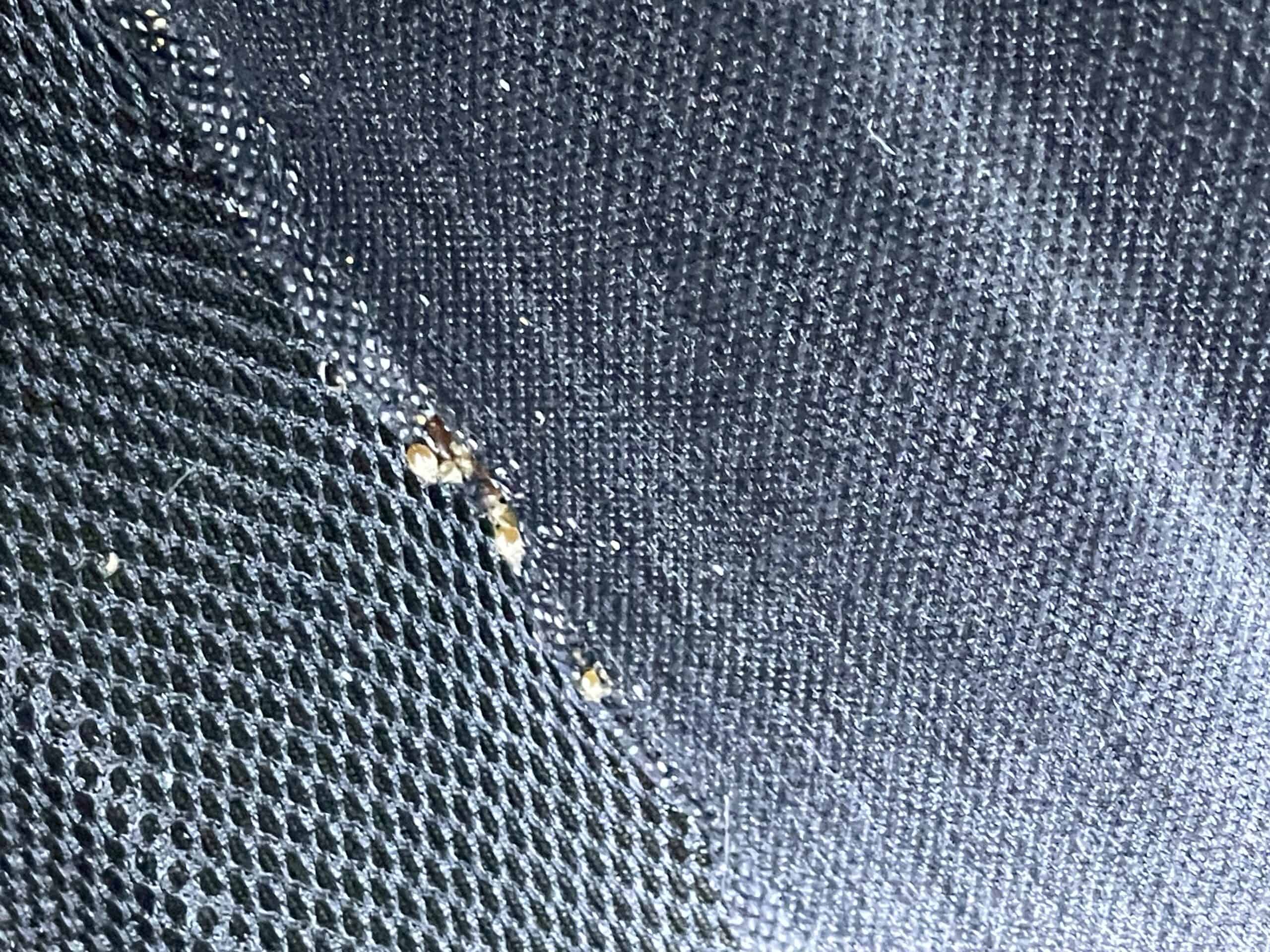
Bed bugs tend to hide in areas close to their human hosts. The most common places to find bed bugs include mattresses, box springs, bed frames, and headboards. They can also be found in cracks and crevices of walls, floors, and furniture, behind wallpaper, and inside electrical outlets. Their flat bodies allow them to fit into very narrow spaces, making thorough inspection and treatment difficult.
The Physical and Psychological Impact
Living with a bed bug infestation can be a harrowing experience. These pests disrupt sleep, cause physical discomfort, and create significant psychological distress. The knowledge that bed bugs are lurking in your home, waiting to feed while you sleep, can lead to anxiety, insomnia, and a constant sense of unease. The presence of bed bugs often results in a relentless cycle of vigilance and attempts to eradicate them, which can be emotionally and physically exhausting.
Appearance of Bed Bug Bites
Bed bug bites can vary in appearance, but they typically manifest as small, red, swollen welts on the skin. These welts often appear in a line or cluster, commonly referred to as “breakfast, lunch, and dinner” bites. The bites are usually intensely itchy, and scratching can lead to secondary infections. Some people may develop larger, more inflamed reactions, while others might have little to no visible reaction at all.
Bed bug bites are most commonly found on areas of the body that are exposed during sleep, such as the face, neck, arms, and legs. However, they can occur anywhere on the body. The delayed reaction to bed bug bites means that many people do not realize they have been bitten until hours or even days later, making it difficult to pinpoint the exact source of the infestation.
The Feeding Process of Bed Bugs
The process by which bed bugs feed on human blood is both fascinating and unsettling. Bed bugs are nocturnal feeders, typically emerging from their hiding places during the night to feed on their sleeping hosts. Here is a detailed breakdown of their feeding process:
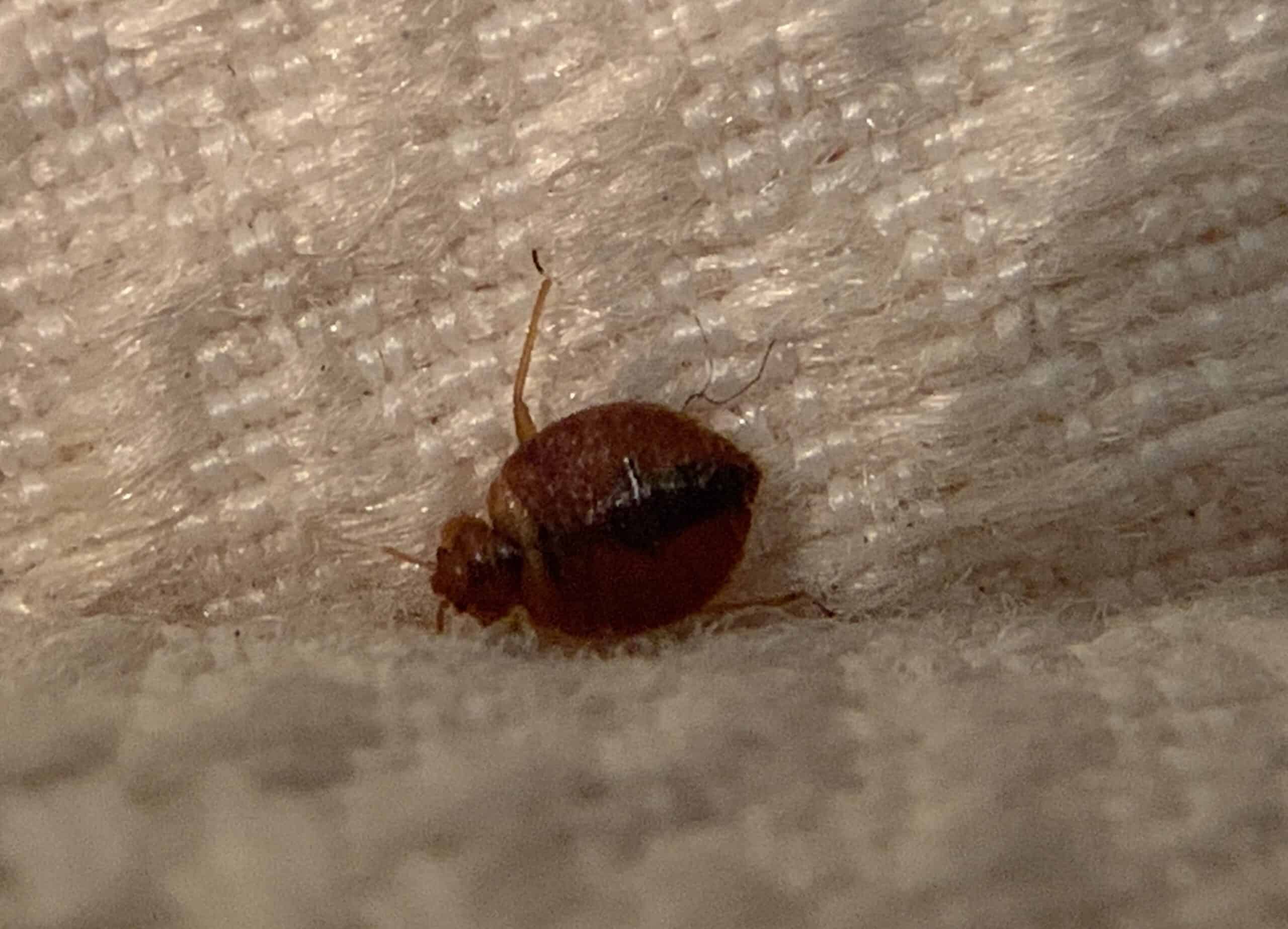
- Detection: Bed bugs are attracted to the carbon dioxide exhaled by humans and the warmth of our bodies. They can detect these cues from several feet away, guiding them to their sleeping victims.
- Piercing the Skin: Once a bed bug locates a suitable feeding spot, it uses its specialized mouthparts to pierce the skin. Bed bugs have two hollow tubes: one injects saliva containing anticoagulants and anesthetics, and the other draws blood. The anesthetic properties of their saliva often prevent the host from feeling the bite, allowing the bed bug to feed undisturbed.
- Feeding: A bed bug will feed for 5 to 10 minutes, during which it can ingest up to seven times its body weight in blood. This feeding process usually goes unnoticed by the host due to the numbing effect of the saliva.
- Digesting: After feeding, the bed bug retreats to its hiding place to digest the blood meal. Digestion can take several days, during which time the bed bug remains hidden and inactive.
- Reproduction: The nourishment from blood meals is essential for bed bugs to grow, molt, and reproduce. Female bed bugs require regular blood meals to produce eggs, contributing to the rapid increase of bed bug populations in an infested area.
The misery of having bed bugs is not just confined to the physical discomfort of their bites but extends to the psychological toll of living with an infestation. The itchy, red welts left by bed bug bites are often the first visible sign of a problem, but the true extent of an infestation is usually hidden within the crevices of furniture and the walls of a home. Understanding the feeding process of bed bugs highlights their resilience and the challenges involved in eradicating them. Comprehensive, professional pest control measures are often necessary to effectively eliminate bed bugs and restore peace of mind to affected homeowners.
Bed bugs continue to be a significant pest control challenge due to their resilience and adaptability. Understanding their history, life cycle, and habits is crucial in developing effective strategies to manage and prevent infestations. The resurgence of bed bugs over the past two decades highlights the need for ongoing research and innovation in pest control methods. Awareness and vigilance remain key in identifying and addressing bed bug infestations promptly to minimize their impact on human comfort and health.
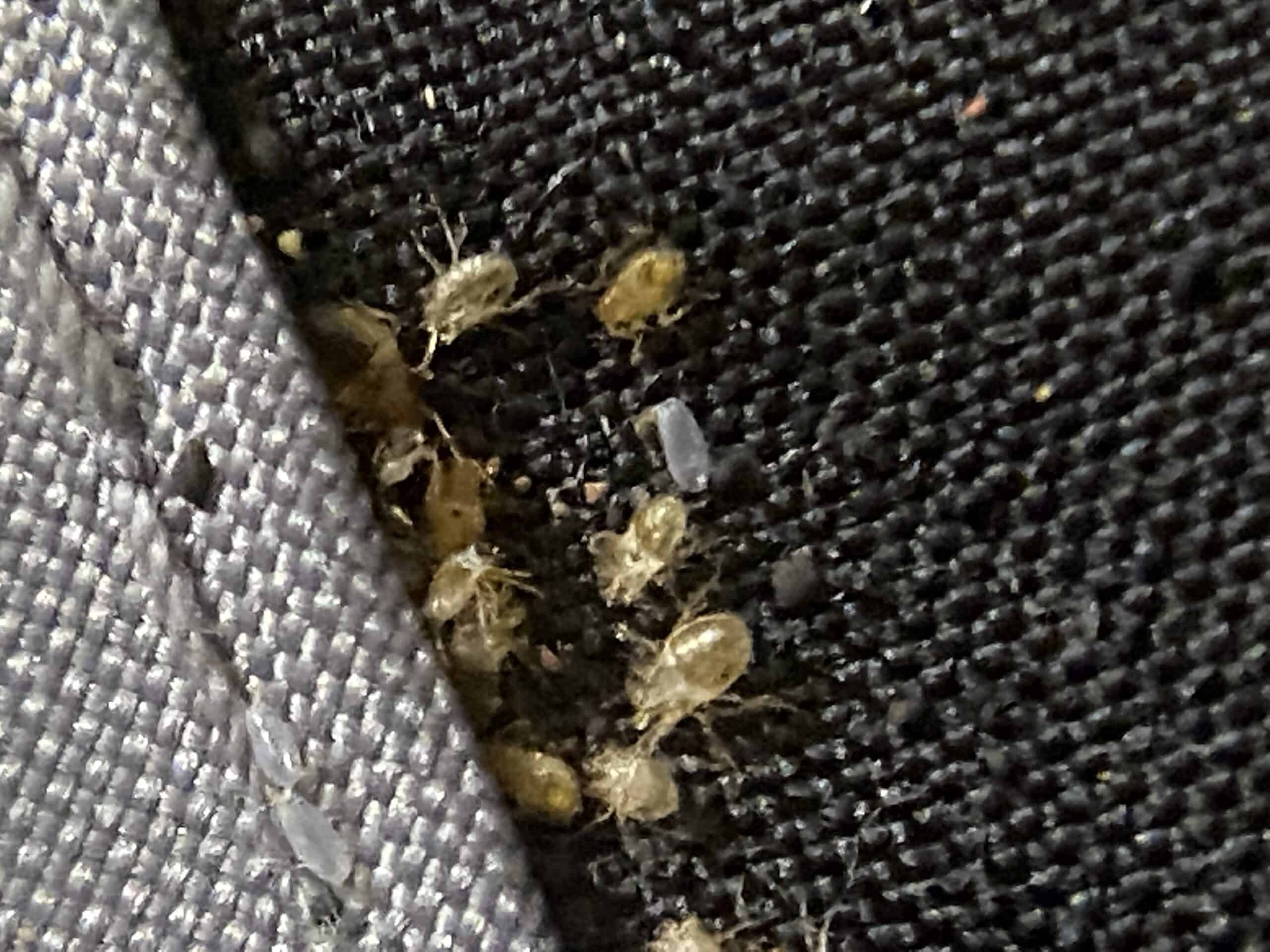
Bed bug infestations can be an overwhelming and stressful experience for homeowners. These resilient pests not only cause discomfort but also pose significant challenges in eradication. While some may consider tackling the problem themselves, hiring a professional pest control company is often the more effective and efficient solution.
Expertise and Knowledge
A professional bed bug control company like Dave’s Pest Control will bring a wealth of expertise and knowledge to the table. Bed bugs are notorious for their ability to hide in small crevices and their resistance to many over-the-counter pesticides. Our professionals are trained to identify the subtle signs of an infestation and understand the behavior and life cycle of bed bugs. This knowledge allows us to accurately assess the extent of the infestation and devise a comprehensive treatment plan.
DIY approaches, on the other hand, often lack the depth of understanding necessary to effectively combat bed bugs. Homeowners may misidentify the pests, underestimate the severity of the infestation, or use inadequate treatments that fail to address the problem comprehensively.
Advanced Tools and Techniques
Our professionals have access to advanced tools and techniques that are not available to the general public. These may include specialized detection devices, professional-grade pesticides, and innovative treatment methods ensuring thorough eradication.
DIY treatments typically rely on over-the-counter products that may not be effective against all stages of bed bugs or may require multiple applications. Moreover, improper use of these products can pose health risks to homeowners and their pets.
Comprehensive and Customized Treatment Plans
Dave’s Pest Control provides a comprehensive and customized treatment plan tailored to the specific needs of the homeowner. This plan often includes multiple visits to ensure that all bed bugs, including eggs and nymphs, are eradicated. We will conduct a thorough inspection, identify all infested areas, and implement a targeted treatment strategy.
In contrast, DIY approaches often lack the systematic and thorough methodology required to fully eliminate bed bugs. Homeowners might treat only the most visible areas, leaving hidden colonies intact and leading to recurring infestations.
Preventive Measures and Education
In addition to eradication, our professional technicians can educate homeowners on preventive measures to avoid future infestations. This may include guidance on maintaining a clean environment, inspecting second-hand furniture, and identifying early signs of bed bugs. We can also provide ongoing monitoring services to ensure that bed bugs do not return.
DIY methods typically do not offer the same level of preventive education and ongoing support, leaving homeowners vulnerable to re-infestations.
Time and Cost Efficiency
While hiring a professional pest control company, like Dave’s Pest Control, involves an initial investment, it often proves to be more cost-effective in the long run. DIY methods may seem cheaper initially, but repeated failed attempts can add up in cost and frustration. Professional treatments are designed to be thorough and long-lasting, reducing the likelihood of recurring infestations and the associated costs.
Additionally, our professionals can address the problem more quickly, minimizing the disruption and discomfort caused by a prolonged infestation. Homeowners attempting a DIY approach may spend weeks or even months trying to manage the infestation, during which time bed bugs can spread and worsen the situation.
As you can see, dealing with a bed bug infestation requires a combination of expertise, advanced tools, and a thorough, systematic approach—all of which are best provided by a professional pest control company like Dave’s Pest Control. While DIY methods may seem appealing due to lower upfront costs, they often fall short in effectively and comprehensively addressing the problem. Hiring a professional company, like Dave’s Pest Control, not only ensures the complete eradication of bed bugs, but also provides homeowners with the education and support needed to prevent future infestations. Therefore, for those suffering from a bed bug infestation in central or south Florida, call Dave’s Pest Control. We provide pest control in Lakeland, Winter Garden, Winter Haven, Apopka, Orlando, Longwood, Davie and other areas of Florida.